
How Many Traffic Fatalities Were in New Hampshire in 2025?
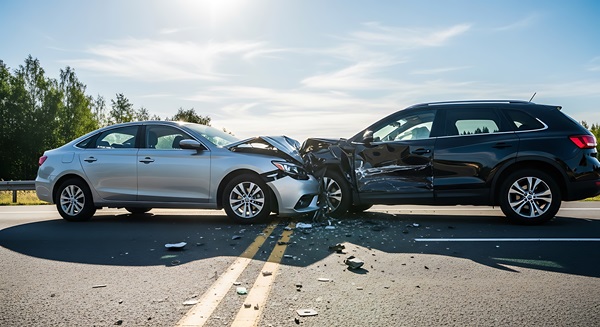
Recently published figures indicate that New Hampshire finished 2025 with a modest rise in traffic fatalities compared to the previous year. Officials reported 137 deaths statewide, up slightly from 135 in 2024. Even with that uptick, the number of fatal crashes remains lower than in past decades. Two roadway fatalities have occurred so far in 2026.
When a fatal crash happens, lives don’t just collide on the road. They collide at the dinner table, in the bank account, and in every corner of a family’s daily routine. It often feels like everything shattered in a split second, and you’re left trying to make sense of both the “why” and the “what now.” Here's what you need to know about the common causes of deadly crashes, who may be held responsible, what types of damages families can pursue in a wrongful death claim, and how a New Hampshire car accident lawyer can help.
What causes most fatal crashes?
Most deadly crashes aren’t freak accidents; they usually trace back to choices, conditions, or problems that could have been prevented. A huge share of fatal wrecks start with driver behavior, including:
- Distracted driving: This includes texting, scrolling through social media, fiddling with the GPS, eating behind the wheel, and turning to talk to passengers. Any time a driver’s eyes, hands, or mind are pulled away from driving, the risk of a serious collision jumps.
- Impaired driving: Alcohol, drugs, and even some prescription medications slow reaction times, cloud judgment, and make it harder to stay in a lane or respond to sudden hazards.
- Speeding and aggressive driving: When someone is tailgating, weaving through traffic, or blowing through red lights, they’re not just breaking the rules; they’re cutting down the margin for error. Higher speeds mean more force on impact, which often turns what might have been a survivable crash into a fatal one.
- Drowsy driving: Long shifts, overnight driving, and chronic sleep deprivation can leave a driver nodding off or zoning out at the wheel.
Not every cause sits behind the steering wheel, though. Vehicle-related issues such as brake failures, tire blowouts, steering problems, or malfunctioning headlights and taillights can all lead to serious crashes, especially at highway speeds. Some of these problems stem from poor maintenance, such as ignoring warning lights or skipping needed repairs. Others may be tied to defective parts or design issues caused by the manufacturer.
Who can be held responsible for a fatal car accident?
When a fatal crash happens, most people immediately think of the at-fault driver. Oftentimes, that’s where the legal analysis starts.
The driver
If a driver was speeding, texting, drunk, or simply not paying attention, they can be held liable for the harm they caused. Police reports, witness statements, crash reconstructions, and any traffic citations or criminal charges often become key pieces of evidence in a civil case.
A vehicle owner
Responsibility doesn’t always stop with the person who was behind the wheel. In some cases, the vehicle’s owner can be held accountable, especially if they knowingly let someone unsafe or unlicensed drive their car, or if they failed to address serious mechanical issues.
An employer
Employers can also be on the hook when an employee causes a fatal work-related crash. Employees may include commercial truck drivers, delivery drivers, or workers running company errands in a business-owned vehicle.
Vehicle manufacturers
If a defect in the vehicle or one of its parts contributed to the crash or made the injuries worse (e.g., faulty brakes, failing airbags, unstable design), there may be grounds for a product liability claim.
Government entities
Occasionally, government entities or road contractors may share responsibility if dangerous road design, missing guardrails, poor signage, or neglected maintenance played a major role in the collision. Claims against public agencies usually have special procedures and strict deadlines, which makes quick action especially important.
Can more than one person share fault?
In many fatal crash cases, fault isn’t all-or-nothing. More than one party can share responsibility for what happened. For example, one driver may have been speeding while another ran a red light, or a driver may have lost control partly because of a dangerous road condition and partly because they were going too fast for the weather.
What damages can families sue for after a fatal crash?
A wrongful death claim is meant to address the losses a family suffers when someone is taken from them because of another party’s negligence or wrongdoing. Those losses come in both financial and emotional forms.
On the financial side, families can typically pursue medical bills related to the final injury, such as:
- Ambulance transport, emergency care, surgeries, or hospital stays before death
- Funeral and burial or cremation costs
- Loss of the person’s income and benefits, including the paychecks, health insurance, retirement contributions, and other financial support they would likely have provided
- Household services the person provided, such as childcare, cooking, cleaning, home repairs, and transportation.
There are also the losses you can’t measure with receipts or pay stubs. Non-economic damages often include loss of companionship and guidance, emotional distress, grief, and mental anguish that survivors experience.
In New Hampshire, a claim can be brought by anyone with a legal interest in the deceased person’s estate, which often includes close family members and the estate’s personal representative acting on their behalf.
Get justice and compassionate legal support after a tragic loss
Losing a loved one in a car accident is devastating and changes life forever. During such overwhelming times, you deserve a legal team that blends compassion with proven strength. Burns, Bryant, Cox, Rockefeller & Durkin, P.A. has stood by grieving families across New Hampshire for more than a century, helping them hold negligent drivers accountable while pursuing justice and the financial security they need to move forward.
Our experienced attorneys handle every detail so you don’t have to face insurance companies, paperwork, or legal uncertainty alone. We offer free consultations and work on a contingency fee basis. You pay nothing upfront and nothing at all if we don't win.
If you’ve lost someone in a fatal car crash, contact our dedicated wrongful death lawyers in Dover or Portsmouth, NH, today for your free consultation. We’ll listen, guide you through each step, and help you take back control of your future.
"Engaging the firm Burns, Bryant, Cox, Rockefeller, and Durkin was a very good decision for me. After thoroughly reviewing our partnership concerns and rights, our situation was quickly and efficiently resolved. I couldn't have chosen a better firm... Many thanks to them for their professionalism and helpful guidance." - M.C., ⭐⭐⭐⭐⭐