
Pedestrian Death Lawsuits Are Pressuring Cities to Lower Speeds
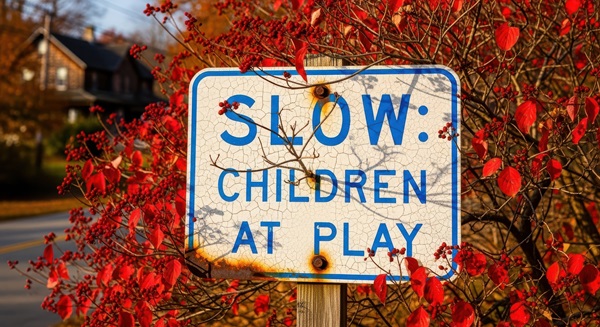
Pedestrian fatalities have risen 78% since 2009, now accounting for nearly one-fifth of U.S. traffic deaths
Across the United States, families of pedestrians killed by speeding drivers are taking cities and transportation agencies to court. Their suits allege that officials failed to design safe streets and set reasonable speed limits, and the litigation is prompting lawmakers to rethink how fast vehicles should travel when people are walking nearby.
Pedestrian safety has eroded dramatically in recent years. Nearly one‑fifth of all U.S. road fatalities now involve people on foot, and pedestrian deaths have risen 78 percent since 2009. The pandemic era exacerbated the crisis as traffic enforcement declined and reckless driving surged. In 2022, more than 42,500 people were killed in crashes nationwide, including at least 7,522 pedestrians. These numbers appear to reflect road networks where fast vehicle travel is prioritized over pedestrian safety.
Speed often makes a huge difference in outcomes. Researchers note that a pedestrian hit by a vehicle traveling 20 mph faces an 18 percent risk of severe injury, while the risk jumps to 50 percent at 30 mph and 81 percent at 40 mph. Lowering speed limits by just 5 miles per hour reduces stopping distance and crash energy enough to give both drivers and pedestrians more time to react. That is why advocates argue that slowing traffic is the quickest way to save lives.
Which communities are reducing speed limits?
A growing number of cities across the U.S. are adopting lower default limits. Seattle reduced residential street speed limits from 25 mph to 20 mph and arterial speed limits from 30 mph to 25 mph in 2016. Boston dropped its default speed from 30 mph to 25 mph in 2017. Portland followed in 2018, and Albany, New York, reduced its citywide limit to 25 mph in 2025. After these changes, the share of drivers traveling at dangerous speeds declined in Boston, and crash severity on Seattle’s arterial streets decreased.
The push for slower speeds often comes from the grassroots. When civil engineer Raymond Olivares was killed by a street‑racing driver in Los Angeles in 2023, his family joined neighbors in demanding lower speed limits and safer crossings. Their campaign, backed by a lawsuit against the county, spotlighted officials’ failure to act despite dozens of previous crashes. Similar stories are unfolding across the country as grieving families use the courts to compel action.
What obstacles do cities face?
Local governments often lack clear authority to lower speed limits. Many states require cities to conduct expensive engineering studies assessing traffic volumes and current speeds before a limit can be changed. These mandates, rooted in outdated car‑centric thinking, delay reforms for years. Since 2013, approximately 19 states have granted localities more flexibility; however, in other areas, the process remains onerous.
Another obstacle is the 85th percentile rule, which bases speed limits on the speed at or below which 85 percent of drivers travel in free‑flowing traffic. Critics argue that this practice effectively allows drivers to set the limit and overlooks the vulnerability of pedestrians.
The latest edition of the Manual on Uniform Traffic Control Devices recommends considering land use, crash history, and non-motorists when setting speed limits, yet many agencies still rely on the old rule. Advocates want legislatures to allow cities to set context-appropriate limits without cumbersome studies and to retire the 85th percentile standard altogether.
Are lawsuits and new laws changing the landscape?
Litigation is emerging as a powerful lever. Families argue that cities and transportation agencies have a duty to protect road users and have been negligent by prioritizing speed over safety. In Los Angeles, the lawsuit filed by the Olivares and Rivas Cruz families pressured officials to install protective posts along Avalon Boulevard and consider broader redesigns of the area.
Legislators are taking notice. New York’s Sammy’s Law (which was named after 12‑year‑old Sammy Cohen Eckstein, who was killed by a speeding driver) allows New York City to lower some speed limits to 20 mph. Michigan recently passed a law permitting local governments to round down when setting limits. These reforms show how personal stories and legal pressure can translate into policy change.
Why legal help matters after a pedestrian crash
Behind every lawsuit and policy change is a grieving family or an injured person trying to rebuild their life. While cities debate speed limits and redesign streets, crash victims still face immediate and personal challenges, such as mounting medical bills, lost income, and insurance companies that often don’t play fair.
In New Hampshire and across the country, injured pedestrians need more than statistics. They need someone to advocate on their behalf. Even when it seems clear a driver was at fault, proving liability and securing full compensation isn’t automatic. That’s where an experienced pedestrian accident lawyer can make a difference.
Whether your crash involved a speeding driver in a downtown crosswalk or a distracted motorist in a school zone, consulting an attorney early can protect your rights and strengthen your case for recovery. You shouldn’t have to pay the price for someone else’s reckless behavior.
Contact a New Hampshire pedestrian accident lawyer today
At Burns, Bryant, Cox, Rockefeller & Durkin, P.A., our law firm has represented accident victims in New Hampshire for over a century. Our dedicated legal team knows how to build strong cases and pursue the maximum compensation our clients deserve.
With over 150 years of combined experience, we can help protect your rights so you can focus on your recovery. If you or someone you love has been injured in a pedestrian accident in New Hampshire, contact us today for a free consultation.
"Engaging the firm Burns, Bryant, Cox, Rockefeller, and Durkin was a very good decision for me. After thoroughly reviewing our partnership concerns and rights, our situation was quickly and efficiently resolved. I couldn't have chosen a better firm... Many thanks to them for their professionalism and helpful guidance." - M.C., ⭐⭐⭐⭐⭐